
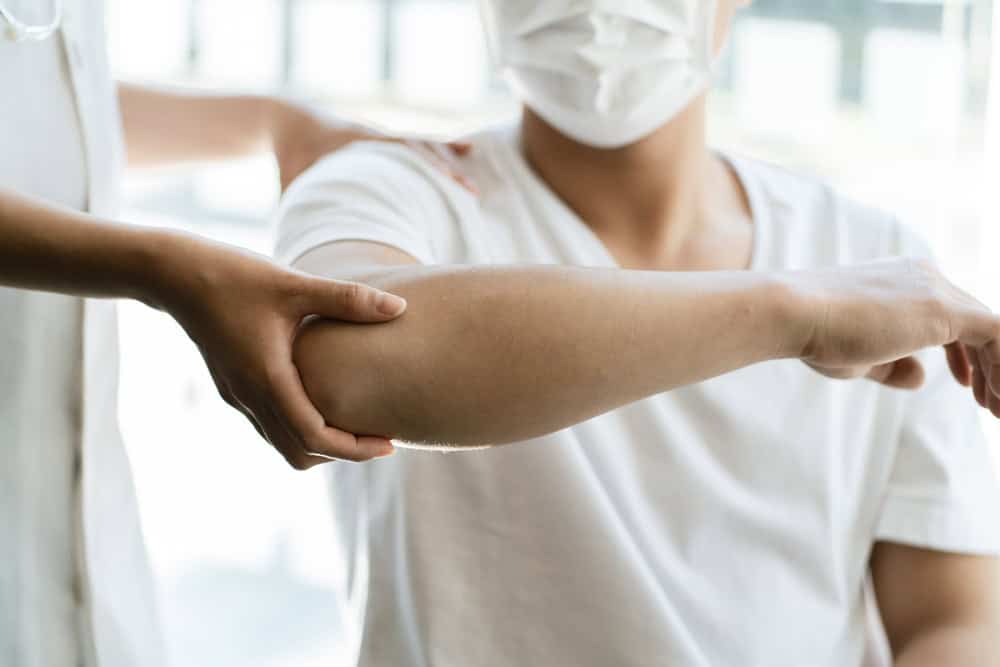
Joint replacement surgery is designed to reduce pain and restore mobility, but the quality of recovery depends on how well rehabilitation is planned and followed. Post-Operative Rehabilitation after joint replacement focuses on restoring movement, rebuilding strength, and helping you return to daily life with confidence and independence. A clear, structured approach ensures healing tissues are protected while progress remains steady and measurable.
What joint replacement rehabilitation aims to achieve
Rehabilitation after joint replacement is about function, not just healing. The goals include restoring joint movement, improving muscle strength, reducing swelling and pain, and rebuilding confidence in everyday activities. Whether the joint replaced is the knee, hip, or shoulder, rehabilitation supports safe movement patterns that reduce strain and support long-term joint health.
Why rehabilitation is essential after joint replacement
Joint replacement changes how forces move through the body. Muscles, ligaments, and surrounding joints must adapt to the new joint mechanics. Without guided rehabilitation, stiffness, weakness, and compensatory movement patterns can develop. Rehabilitation helps your body relearn efficient movement so daily tasks feel natural rather than cautious or limited.
The early phase after joint replacement
The initial phase begins soon after surgery and focuses on protection, comfort, and gentle movement. Swelling and discomfort are expected during this stage, and the aim is to support healing while preventing unnecessary stiffness.
Managing pain and swelling
Early rehabilitation prioritises swelling control and comfort. Gentle movement, appropriate positioning, and education help reduce fluid build-up and improve circulation. Managing swelling early supports better muscle activation and smoother progress in later stages.
Restoring basic movement
Simple movements such as bending, straightening, standing, or walking are introduced in a controlled way. These movements help prevent stiffness and build confidence. Learning how to move safely in daily tasks such as getting in and out of bed or using stairs is an important focus at this stage.
Rebuilding strength and control
As healing progresses, rehabilitation shifts toward strengthening and improving control around the replaced joint. This phase is critical for restoring stability and function.
Activating key muscle groups
Muscles around the replaced joint may be weak or inhibited after surgery. Targeted exercises help restore activation and coordination. This early strength work supports joint protection and prepares the body for increased load.
Improving joint stability
Strengthening is not only about power but about control. Exercises focus on alignment and movement quality to ensure the joint is supported during everyday tasks. This reduces unnecessary strain and supports long-term durability of the replacement.
Progressing weight-bearing and function
Joint replacement rehabilitation includes careful progression of weight-bearing and functional activities. This progression is guided by healing, comfort, and movement quality rather than time alone.
Normalising walking patterns
Many people can walk soon after joint replacement, but walking quality often needs attention. Rehabilitation focuses on even weight distribution, smooth steps, and reduced compensations. Efficient walking reduces fatigue and protects surrounding joints.
Building tolerance for daily activity
As strength improves, rehabilitation expands to include longer periods of activity. This may involve standing for work, walking longer distances, or managing household tasks. Gradual exposure helps build endurance without triggering flare-ups.
Advanced rehabilitation and return to lifestyle
The later phase of rehabilitation prepares you for the demands of your lifestyle. This stage is tailored to individual goals rather than following a generic template.
Returning to work and recreation
For some, return to work may involve prolonged sitting or standing. For others, it may involve physical tasks or recreational activity. Rehabilitation targets the specific movements and loads required so your body is prepared rather than cautious.
Supporting long-term joint health
Advanced rehabilitation focuses on maintaining strength, flexibility, and movement quality to support the longevity of the joint replacement. Learning how to manage load and movement reduces the risk of secondary issues and supports confidence in activity.
Managing expectations during recovery
Recovery after joint replacement takes time. While pain often reduces significantly, strength and endurance continue to improve over several months. Understanding that progress may fluctuate helps reduce frustration. Clear guidance ensures expectations remain realistic and supportive.
Common challenges after joint replacement
Stiffness, fatigue, and fear of damaging the new joint are common challenges. Some people become overly cautious, while others push too quickly once pain reduces. Rehabilitation provides structure and reassurance, helping you find the right balance between protection and progress.
The role of education in joint replacement rehabilitation
Understanding your new joint and how it responds to movement builds confidence. Education helps you recognise normal sensations, safe limits, and signs that require adjustment. Informed patients move more confidently and progress more consistently.
Your role in rehabilitation success
Your participation plays a major role in outcomes. Consistency with guided exercises, attention to movement habits, and open communication all support recovery. Rehabilitation is most effective when you understand why each step matters and how it connects to your goals.
When reassessment is important
If pain increases, swelling persists, or function plateaus, reassessment helps identify barriers to progress. Early adjustment keeps recovery on track and prevents minor issues from becoming longer-term limitations.
Conclusion
Joint replacement rehabilitation is a structured process that restores movement, strength, and confidence after surgery. By focusing on safe progression, movement quality, and individual goals, recovery becomes practical and sustainable. With clear guidance and consistent effort, joint replacement can support a return to active, confident living. The next step is to book an assessment so your rehabilitation plan can be tailored precisely to your joint replacement, lifestyle, and long-term functional goals.
