
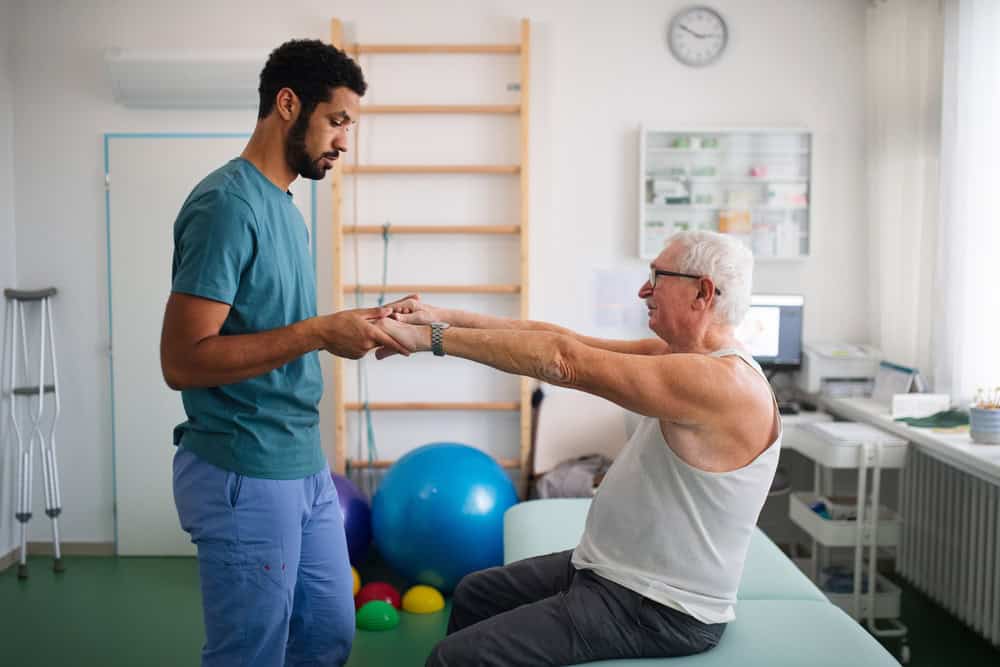
After surgery, healing is not driven by treatment alone. What you eat and how well your body is nourished play a direct role in tissue repair, energy levels, and recovery speed. As part of Post-Operative Rehabilitation, nutrition supports the body’s ability to heal, adapt to rehabilitation, and regain strength safely. The right nutritional approach helps recovery feel steadier, more resilient, and less exhausting.
Why nutrition matters in post-surgical recovery
Surgery places the body under significant stress. Healing requires energy, building blocks for tissue repair, and nutrients that support immune function and inflammation control. Without adequate nutrition, recovery can feel slower, fatigue may linger, and rehabilitation progress may stall. Nutrition is not about perfection but about providing your body with what it needs to repair and rebuild.
How surgery changes your body’s nutritional needs
After surgery, your metabolic demands often increase. The body prioritises healing tissues, which raises the need for calories, protein, and specific micronutrients. Appetite may be reduced, especially in the early phase, but nutritional needs remain high. Understanding this mismatch helps explain why targeted nutrition is important even when appetite is low.
Protein and tissue repair
Protein is essential for rebuilding muscle, connective tissue, and surgical incisions. Inadequate protein intake can slow wound healing and contribute to muscle loss, especially during periods of reduced activity.
Supporting muscle and connective tissue
Protein provides the amino acids needed to repair and strengthen tissues stressed during surgery. Consistent intake throughout the day supports ongoing repair rather than relying on one large meal.
Reducing post-surgical muscle loss
Periods of reduced movement can lead to rapid muscle loss. Adequate protein intake helps preserve muscle mass, supporting strength and stability as rehabilitation progresses.
Energy intake and recovery capacity
Healing requires energy. If overall calorie intake is too low, the body may struggle to prioritise repair. This can lead to prolonged fatigue and reduced tolerance to rehabilitation exercises. Balanced energy intake supports both healing and participation in recovery activities.
Micronutrients that support healing
Vitamins and minerals play supporting roles in tissue repair, immune function, and inflammation regulation. While supplements are not always necessary, awareness of key nutrients helps guide balanced food choices.
Supporting wound healing
Nutrients involved in collagen formation and immune support contribute to incision healing. A varied diet that includes fruits, vegetables, and whole foods helps meet these needs naturally.
Supporting bone and connective tissue health
After orthopaedic surgery, nutrients that support bone and connective tissue health become particularly important. Balanced intake supports structural recovery alongside rehabilitation.
Hydration and tissue health
Hydration is often overlooked but plays a critical role in healing. Adequate fluid intake supports circulation, nutrient delivery, and waste removal. Dehydration can increase fatigue, stiffness, and the perception of pain, making recovery feel harder than it needs to be.
Managing inflammation through nutrition
Inflammation is a normal part of healing, but excessive or prolonged inflammation can increase pain and slow recovery. Balanced nutrition supports the body’s ability to regulate inflammation rather than suppress it entirely. Regular meals and nutrient-dense foods help maintain this balance.
Nutrition and rehabilitation performance
Rehabilitation places physical demands on the body, even in early stages. Poor nutrition can reduce energy levels and make exercises feel more difficult. Adequate fuel supports better exercise tolerance, improved strength gains, and more consistent progress.
Appetite changes after surgery
Reduced appetite is common after surgery due to medication, discomfort, or changes in routine. Smaller, more frequent meals can help maintain intake without overwhelming the digestive system. Listening to hunger cues while prioritising nutrient-dense foods supports recovery without forcing large meals.
Common nutritional challenges during recovery
Busy schedules, reduced mobility, or reliance on convenience foods can affect nutritional quality. Planning simple, accessible meals helps overcome these barriers. Nutrition during recovery does not need to be complex to be effective.
Weight changes and recovery
Some people worry about weight changes after surgery. While body composition may shift temporarily due to reduced activity, the priority during recovery is healing and function. Restrictive dieting can compromise tissue repair and slow progress. A balanced approach supports recovery first, with longer-term goals addressed once function is restored.
Individual factors that influence nutritional needs
Nutritional needs vary based on age, type of surgery, activity level, and overall health. Some individuals may require additional support or guidance to meet their needs. An individualised approach ensures nutrition supports recovery rather than following generic advice.
How nutrition supports long-term outcomes
Good nutrition during recovery lays the foundation for long-term strength, resilience, and performance. Supporting healing early helps ensure rehabilitation gains are maintained rather than lost due to fatigue or setbacks.
Your role in supporting healing through nutrition
You do not need a perfect diet to recover well. Consistency, balance, and awareness matter most. Making small, supportive choices each day helps your body heal and adapt to rehabilitation demands. Asking questions and seeking clarity helps ensure nutrition supports your recovery goals.
Conclusion
Nutrition plays a vital role in healing after surgery, supporting tissue repair, energy levels, and rehabilitation progress. By providing your body with adequate fuel, protein, hydration, and essential nutrients, recovery becomes more resilient and predictable. Nutrition is not an add-on but a core support for effective rehabilitation. The next step is to book an assessment so your recovery plan can consider not only movement and treatment, but also the factors that support healing from the inside out.
